Course Summary: Animal Production
Animal Production is the branch of agriculture that deals with the breeding, feeding, management, health, and utilization of domestic animals for the production of food, fiber, labor, and other products.
1. Introduction to Animal Production
- Importance of livestock in agriculture and the economy.
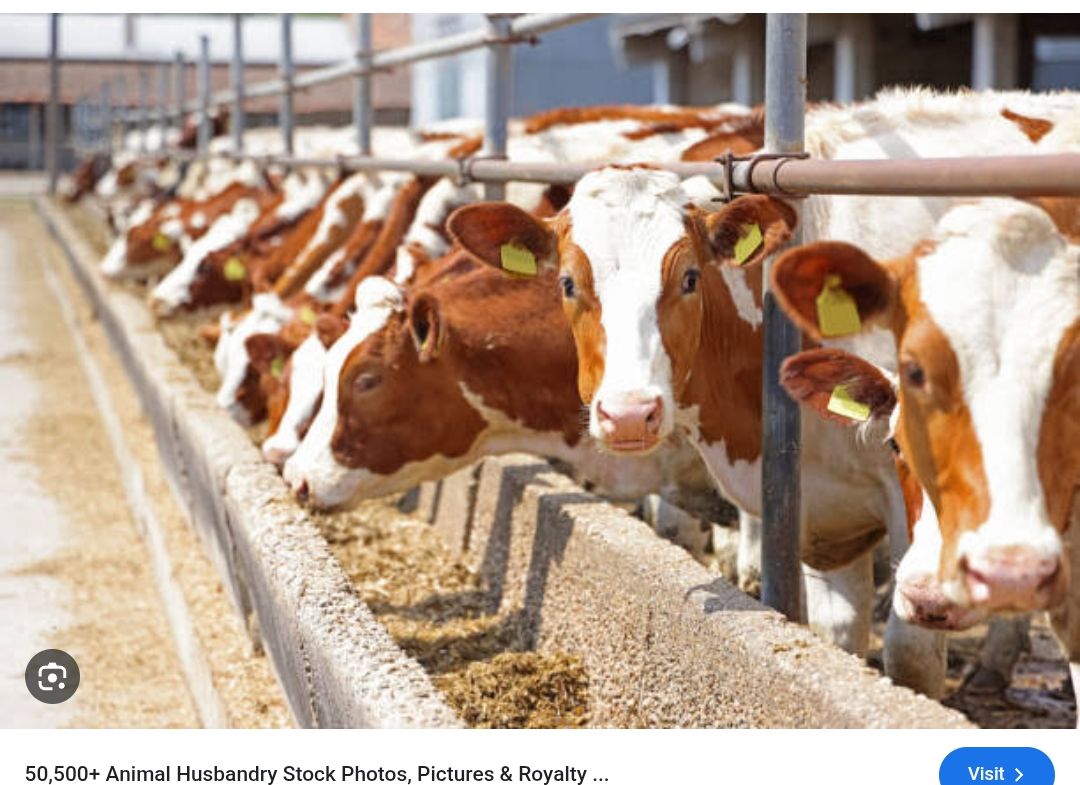
- Major classes of farm animals: cattle, sheep, goats, pigs, poultry, rabbits, and others.
- Roles of livestock: meat, milk, eggs, wool, hides, manure, and draft power.
2. Animal Breeding and Genetics
- Principles of heredity and inheritance.
- Selection methods for improving desirable traits.
- Breeding systems:
- Inbreeding
- Outbreeding
- Crossbreeding
- Artificial insemination
- Breed improvement programs.
3. Animal Nutrition and Feeding
- Nutrient requirements:
- Carbohydrates
- Proteins
- Fats
- Vitamins
- Minerals
- Water
- Feed types:
- Roughages
- Concentrates
- Supplements
- Feed formulation and ration balancing.
- Importance of proper feeding for growth and productivity.
4. Livestock Housing and Management
- Principles of animal housing.
- Housing systems:
- Intensive
- Semi-intensive
- Extensive
- Environmental factors affecting animals.
- Animal handling and welfare practices.
5. Animal Health and Disease Control
- Common livestock diseases and parasites.
- Disease prevention measures:
- Vaccination
- Biosecurity
- Sanitation
- Quarantine
- Basic veterinary care and treatment.
6. Reproduction and Reproductive Management
- Anatomy and physiology of reproduction.
- Estrus (heat) detection.
- Mating systems.
- Pregnancy diagnosis.
- Care during gestation and parturition.
- Neonatal animal management.
7. Production Systems
- Dairy production.
- Beef production.
- Sheep and goat production.
- Pig production.
- Poultry production (broilers and layers).
- Aquaculture and emerging livestock enterprises.
8. Animal Products and Processing
- Milk production and handling.
- Meat production and quality control.
- Egg production and grading.
- Processing and preservation of animal products.
9. Economics of Animal Production
- Cost of production.
- Farm records and record keeping.
- Marketing of livestock and livestock products.
- Profitability and enterprise budgeting.
10. Sustainable Animal Production
- Environmental impacts of livestock farming.
- Waste management and manure utilization.
- Climate-smart livestock production.
- Animal welfare and ethical considerations.
- Sustainable resource use.
Key Learning Outcomes
By the end of an Animal Production course, students should be able to:
- Explain the importance of livestock in agriculture.
- Apply principles of breeding and genetics to improve animal performance.
- Formulate balanced rations for different animal species.
- Manage livestock housing, feeding, and health effectively.
- Implement disease prevention and control measures.
- Evaluate livestock production systems and their profitability.
- Promote sustainable and welfare-friendly animal production practices.
- Teacher: Admin User